

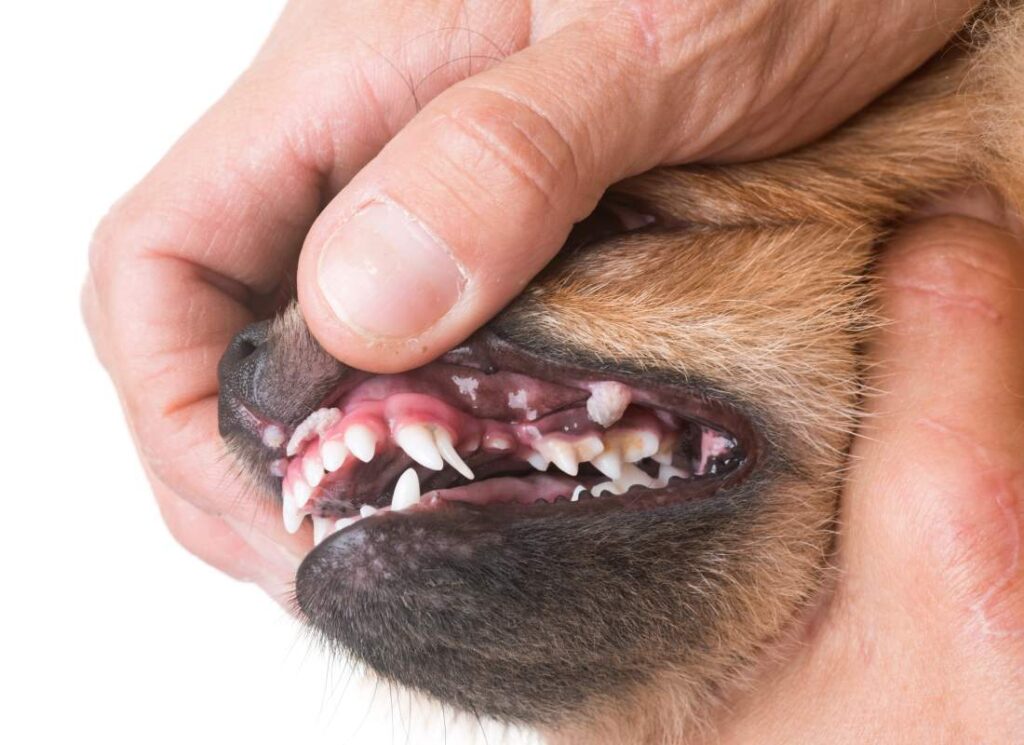
Brushing a dog’s teeth at home can reduce plaque, slow tartar buildup, and help protect the gums between veterinary dental examinations. The process works best when it is introduced gradually and treated as a calm daily routine rather than a wrestling match.
Why does home dental care matter?
Plaque begins forming on teeth soon after a dog eats. If it is not removed, it can harden into tartar along the gumline. Over time, bacteria and inflammation may contribute to periodontal disease, loose teeth, oral pain, and difficulty eating.
Home brushing mainly removes plaque before it becomes hardened tartar. It cannot remove established tartar below the gumline or repair a fractured, infected, or loose tooth. Those problems require a veterinary examination and, in some cases, a dental procedure performed under anesthesia.
Bad breath is not simply a normal part of being a dog. Persistent odor, red or swollen gums, drooling, bleeding, dropping food, chewing on one side, facial swelling, or reluctance to eat are reasons to have the mouth checked before beginning a brushing routine.
What supplies are safe to use?
Use a toothbrush and toothpaste made specifically for dogs.
A dog toothbrush may have a small angled head, soft bristles, or a finger-brush design. A soft child-sized toothbrush can sometimes work, but the brush should fit comfortably in the dog’s mouth and should not scrape the gums.
Never use human toothpaste, baking soda, or household cleaning products. Some human toothpastes contain ingredients that can be dangerous to dogs, and dogs also swallow toothpaste rather than spitting it out.
Choose a veterinary toothpaste formulated for pets. The flavor may help a dog accept brushing, but toothpaste is not a substitute for the mechanical action of the bristles.
Keep the supplies together in a quiet area. In Decatur, many households may find it easiest to establish the routine indoors, particularly during cold winter weather when outdoor exercise and grooming habits change.
How should a dog be introduced to toothbrushing?
Start with comfort, not cleaning. The first few sessions may involve only touching the dog’s cheek or lifting the lip for a second.
Use a gradual sequence:
- Let the dog sniff the toothbrush and taste a small amount of pet toothpaste from a finger.
- Gently touch the outside of the lips and cheeks.
- Lift the upper lip briefly and reward calm behavior.
- Rub a clean finger along the outside of the teeth.
- Introduce the toothbrush for a few seconds.
- Slowly increase the number of teeth brushed.
Keep each session short. A calm 10-second practice is more useful than a longer session that causes fear or struggling. Some dogs become comfortable within several days, while others need several weeks.
Do not force the mouth open. Most plaque accumulates on the outer surfaces of the teeth, especially the upper back teeth, so brushing can usually be done with the dog’s mouth closed.
What is the correct brushing technique?
Once the dog accepts the brush, apply a small amount of dog toothpaste and lift the lip gently. Hold the brush at about a 45-degree angle toward the gumline. Use small, gentle circles or short back-and-forth strokes.
Concentrate first on:
- The outer surfaces of the upper back teeth
- The canine teeth
- Areas where the teeth meet the gums
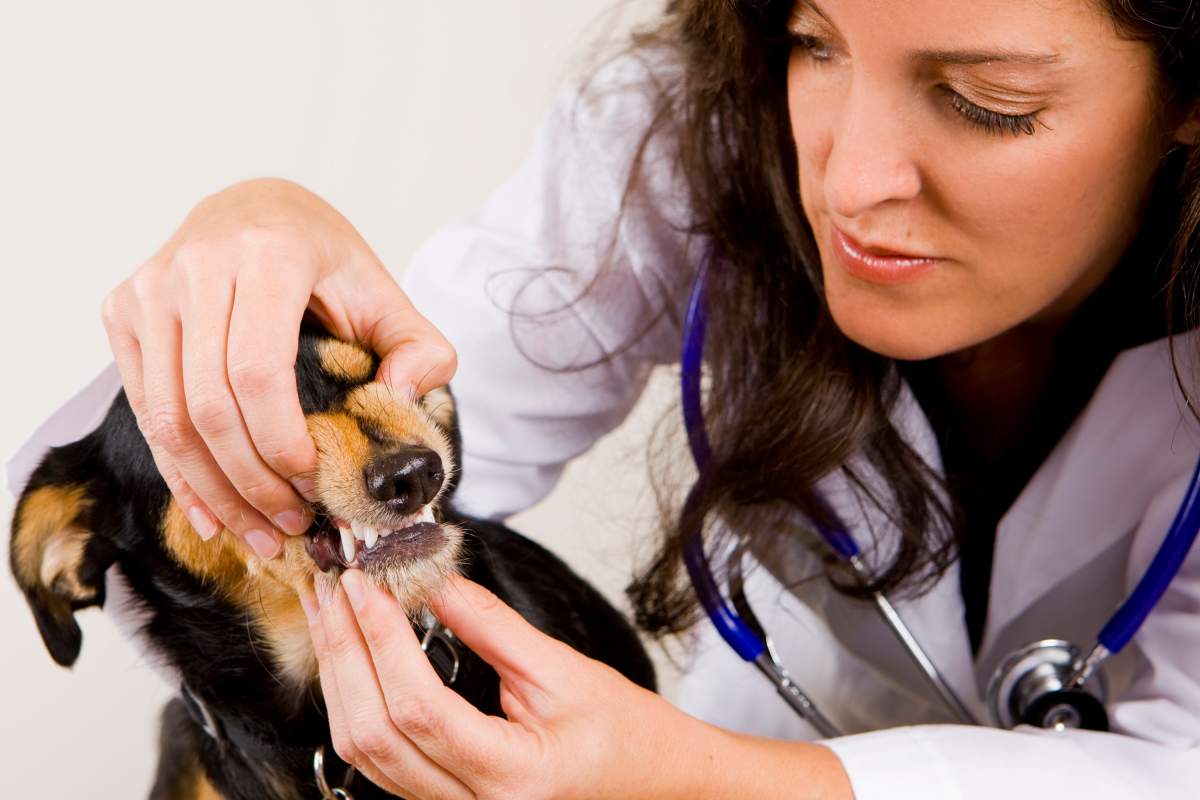
These areas often collect plaque quickly. Gradually work toward brushing all accessible tooth surfaces. The inside surfaces are helpful to reach, but trying to force access can make the dog fearful or lead to a bite.
There is no need to rinse the mouth afterward. Pet toothpaste is designed to be swallowed in small amounts. Replace the toothbrush when the bristles become worn, bent, or contaminated.
How often should a dog’s teeth be brushed?
Daily brushing is the ideal schedule because plaque accumulates continuously. Brushing several times a week is still more helpful than brushing rarely, especially if the dog is not yet ready for a full daily routine.
Choose a consistent time, such as after an evening walk or before settling down for the night. A predictable routine helps the dog understand what will happen next. During busy seasons, including summer travel or winter holiday gatherings, keeping the same short routine can prevent the habit from being lost.
If brushing is missed for a day, simply resume the next day. Avoid compensating with an overly vigorous session.
What if the gums bleed?
A small amount of bleeding may occur when inflamed gums are brushed, but bleeding should not be dismissed as normal. Red, swollen, painful, or frequently bleeding gums may indicate dental disease.
If the dog reacts suddenly, pulls away, snaps, refuses food, or seems painful when the mouth is touched, stop brushing and arrange a veterinary evaluation. Continuing to brush an already painful mouth can make the dog associate the toothbrush with discomfort.
Brushing also should not be used to scrape off visible tartar. Trying to chip tartar away with metal tools or fingernails can damage the tooth surface, injure the gums, or leave disease below the gumline untreated.
Are dental chews and water additives enough?
Dental chews, dental diets, wipes, and water additives may provide additional support, but they do not generally replace brushing. If brushing is not yet possible, these options may help reduce plaque depending on the product and the dog’s health.
Products carrying the Veterinary Oral Health Council seal have been evaluated against specific dental claims. Even so, a dog’s size, chewing style, diet, allergies, and medical history should be considered before adding any product.
Avoid extremely hard items such as antlers, animal bones, hooves, and very hard nylon objects. These can fracture teeth or create choking and intestinal-obstruction risks. Chews should be appropriately sized and supervised.
Does brushing eliminate the need for veterinary dental care?
No. Home brushing is preventive care, not a replacement for oral examinations. A veterinarian can evaluate the gums, tooth roots, jaw, and areas that cannot be seen during an awake inspection. Dental X-rays may be needed to identify disease beneath the gumline.
Dogs should have their mouths checked as part of routine veterinary care, with the frequency based on age, breed, dental history, and visible findings. Small dogs, senior dogs, and dogs with crowded teeth may need especially careful monitoring.
The most useful goal is not a perfect first attempt. It is a gentle, repeatable routine that the dog can tolerate comfortably. Start with a few seconds, focus on the outer tooth surfaces, and build gradually toward daily brushing.