

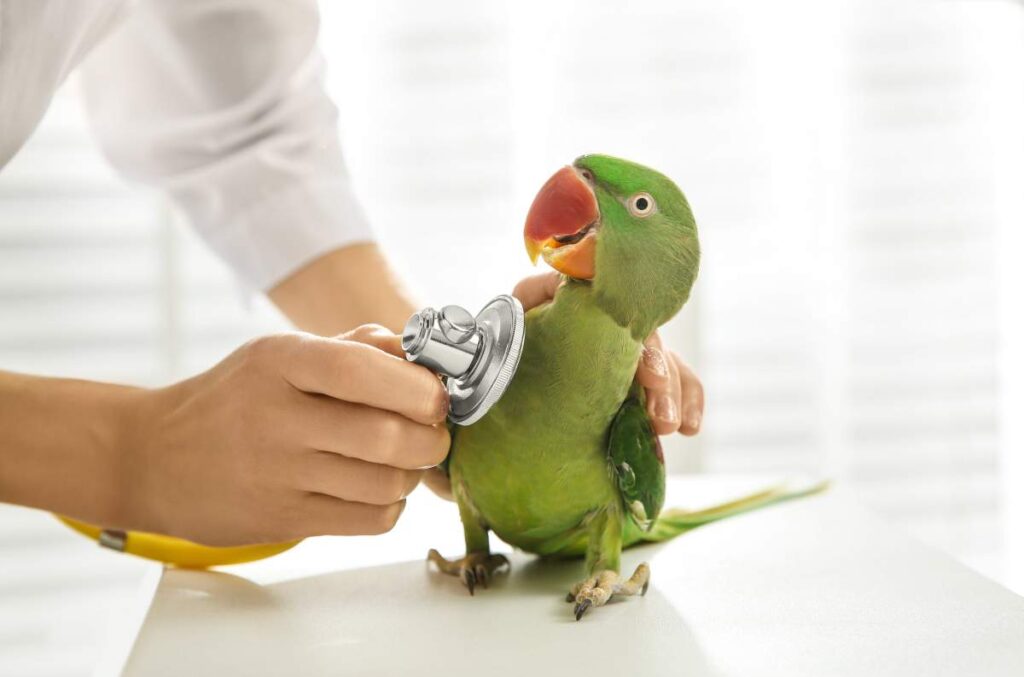
How often should a healthy pet see a veterinarian?
Most healthy adult dogs and cats should have a veterinary wellness examination at least once every 12 months. Some pets benefit from visits every six months, especially if they are older, have a chronic condition, take long-term medication, or face higher risks because of breed, lifestyle, or environment. ([aaha.org](https://www.aaha.org/frequency-of-veterinary-visits/?utm_source=openai))
A yearly visit is more than a vaccine check. It gives the veterinarian an opportunity to track weight, dental health, mobility, heart and lung sounds, skin and coat changes, parasite exposure, behavior, and other findings that may not be obvious at home.
Pets can hide pain and illness remarkably well. A dog may continue eating despite dental disease, and a cat may appear normal while developing kidney disease, arthritis, or another condition. Regular examinations create a health baseline, making subtle changes easier to recognize over time. ([aaha.org](https://www.aaha.org/resources/why-are-regular-veterinary-visits-important/?utm_source=openai))
Do puppies and kittens need more frequent visits?
Yes. Puppies and kittens usually need several veterinary visits during their first year rather than waiting for one annual examination.
Early visits commonly address:
- Physical examinations and growth monitoring
- A series of age-appropriate vaccinations
- Internal and external parasite screening
- Nutrition and feeding amounts
- Spay or neuter timing
- Identification, housing, exercise, and behavior questions
- Early dental and body-condition assessments
Young animals are still developing immunity, and vaccine schedules depend on age, previous medical history, and the products used. A newly adopted puppy or kitten should generally be examined soon after coming home, even if the animal appears healthy. Shelter, rescue, breeder, or previous veterinary records can help determine what care remains due.
The exact schedule varies. A young animal with intestinal parasites, poor growth, persistent diarrhea, coughing, or an uncertain vaccine history may need additional follow-up rather than routine visits alone.
Is once a year enough for senior dogs and cats?
Often, no. Senior pets generally benefit from examinations every six months, or more frequently when health problems are present. Older animals can develop changes more quickly, and earlier detection may make treatment and comfort management easier. ([aaha.org](https://www.aaha.org/resources/aging-with-grace-how-to-support-your-senior-pet/?utm_source=openai))
“Senior” does not begin at exactly the same age for every pet. Large dogs may show age-related changes earlier than smaller dogs, while cats often begin receiving more intensive senior monitoring during later adulthood. The veterinarian may recommend bloodwork, urinalysis, blood pressure measurement, dental evaluation, or imaging based on the animal’s age and symptoms. Senior-care guidance commonly supports laboratory monitoring at six-month intervals, although the appropriate testing plan is individualized. ([aaha.org](https://www.aaha.org/resources/2023-aaha-senior-care-guidelines-for-dogs-and-cats/diagnostic-tests-and-recommended-frequencies-for-senior-dogs-and-cats/?utm_source=openai))
Changes worth mentioning during a senior pet’s visit include:
- Drinking or urinating more often
- Weight loss or unexplained weight gain
- Difficulty climbing stairs, jumping, or rising
- Nighttime restlessness or confusion
- Reduced grooming
- Bad breath, dropping food, or trouble chewing
- New lumps, coughing, vomiting, or changes in bowel habits
These signs should not automatically be dismissed as normal aging.
When should a pet with a medical condition be examined?
Pets with ongoing conditions may need visits every few weeks, every few months, or on another schedule set by the veterinarian. Diabetes, heart disease, kidney disease, thyroid disorders, seizures, allergies, arthritis, and cancer are examples of problems that may require repeated examinations or testing.
A pet taking a long-term medication may also need periodic bloodwork or other monitoring. The right interval depends on the drug, the animal’s age, kidney and liver function, and how stable the condition is. Medication should not be started, stopped, or adjusted based only on a pet’s appearance.
A useful habit is to keep a simple record of appetite, water intake, weight, symptoms, medication doses, and behavior. This information can help distinguish a gradual change from a sudden one.
Do indoor cats still need yearly examinations?
Yes. Indoor living can reduce exposure to traffic, fights, wildlife, and some infectious diseases, but it does not eliminate health risks. Indoor cats can still develop dental disease, obesity, arthritis, kidney problems, urinary disorders, and other illnesses.
Indoor cats also age and change even when their daily routine appears stable. Annual examinations allow the veterinarian to assess body condition, movement, oral health, vaccination needs, and household factors such as litter-box habits and environmental stress. The idea that an indoor cat does not need regular care is a common misconception. ([aaha.org](https://www.aaha.org/resources/preventive-healthcare-for-pets/?utm_source=openai))
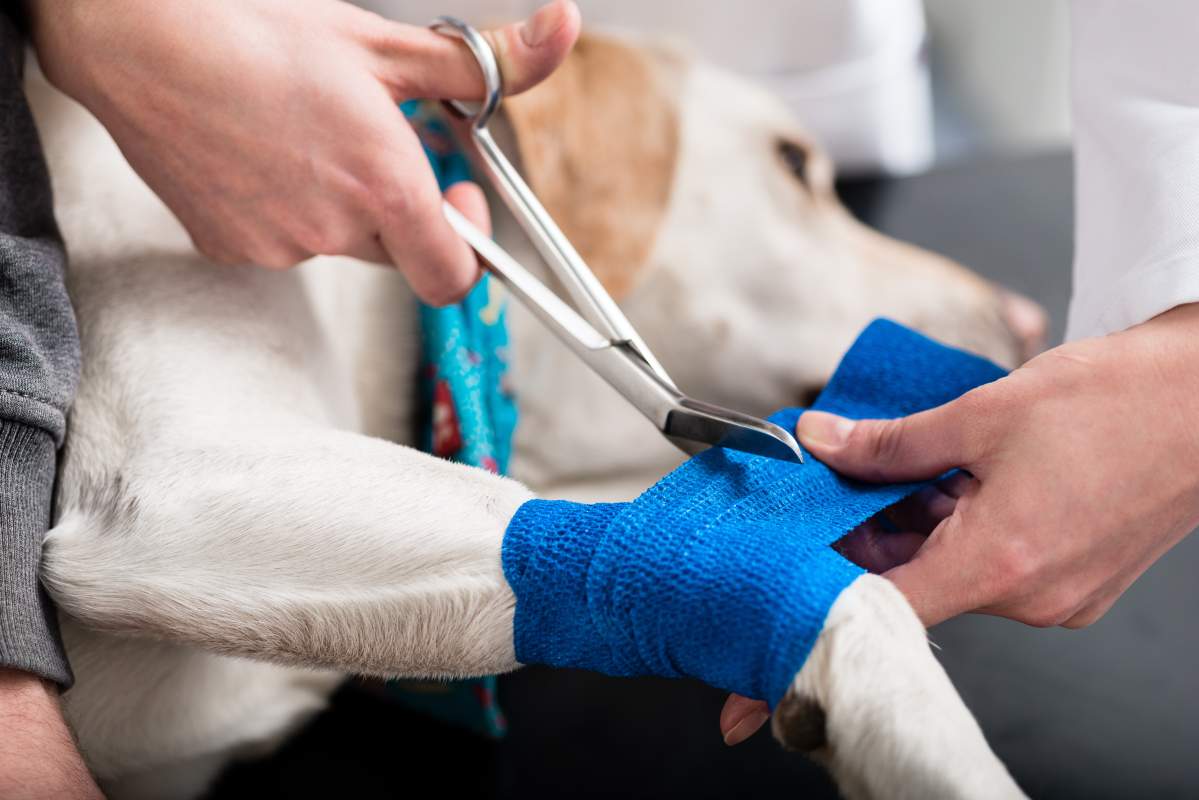
What about vaccines and parasite prevention?
Vaccines and parasite prevention are part of preventive care, but they do not replace a physical examination. Vaccine timing depends on the pet’s age, lifestyle, previous records, local exposure risks, and applicable regulations.
Dogs and cats in Decatur may have different levels of exposure depending on whether they spend time outdoors, accompany family members on walks, visit boarding facilities, interact with other animals, or live in homes with multiple pets. Seasonal outdoor activity can also affect exposure to mosquitoes, ticks, fleas, and intestinal parasites.
Heartworm prevention deserves particular attention for dogs and may also be discussed for cats. Annual heartworm testing is commonly recommended for dogs, including dogs that receive preventive medication, while parasite screening is adjusted according to lifestyle and risk. ([aaha.org](https://www.aaha.org/resources/why-are-regular-veterinary-visits-important/?utm_source=openai))
A veterinarian can help match preventive care to the pet’s actual habits instead of assuming that every animal has the same needs.
When should a pet be seen sooner than the routine schedule?
A pet should not wait for its annual visit when signs of illness or injury appear. Prompt veterinary advice is appropriate for symptoms such as:
- Difficulty breathing
- Collapse, severe weakness, or inability to stand
- Repeated vomiting or diarrhea
- A swollen or painful abdomen
- Straining or inability to urinate
- Seizures
- Major bleeding or a serious wound
- Suspected poisoning
- Sudden loss of vision or severe eye pain
- Heat-related illness, especially during hot and humid weather
Less dramatic changes also deserve attention if they persist, including refusing food, hiding, coughing, limping, persistent itching, changes in thirst, or unusual aggression. Cats that stop eating can become seriously ill more quickly than many owners realize.
How can residents prepare for a more useful visit?
Bring vaccination and medical records when available, along with a list of medications, supplements, and food. A short video of coughing, limping, unusual breathing, or odd behavior can be helpful if the symptom does not occur during the examination.
For cats, use a secure carrier and place familiar bedding inside. Dogs may benefit from arriving on a secure leash and having a calm opportunity to relieve themselves first. Writing down questions about diet, dental care, behavior, exercise, or preventive products helps ensure those concerns are addressed.
The general rule is straightforward: healthy adult pets should be examined at least annually, young pets need a series of visits during development, and senior or medically complex pets often need care every six months or more often. The schedule should then be adjusted to the individual animal rather than based on age alone.