

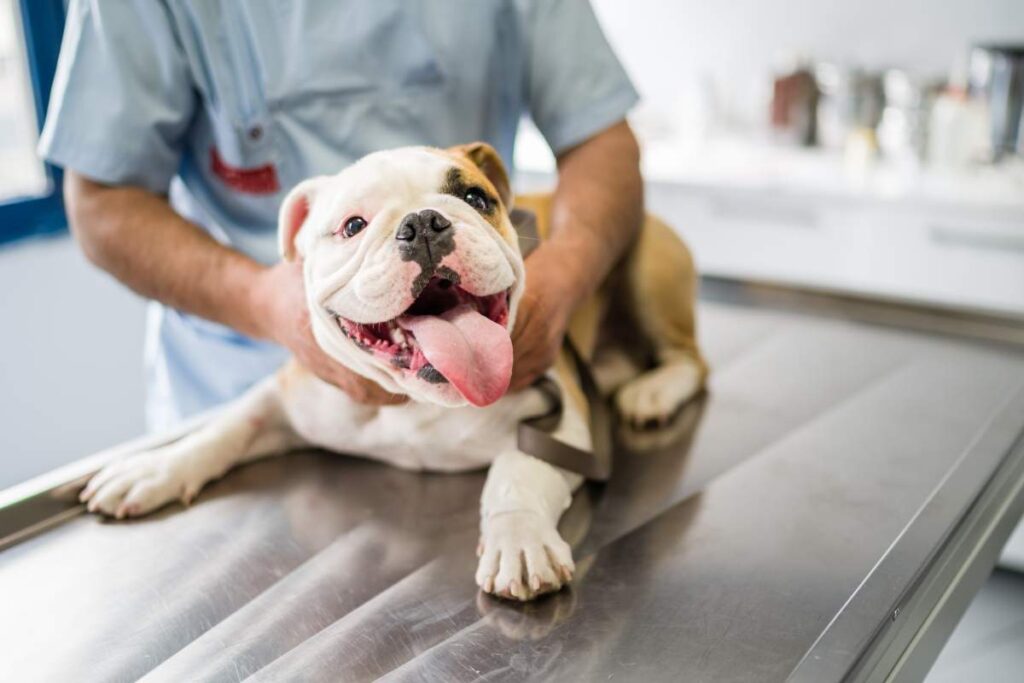
Giving medication at home can be manageable when the instructions are clear, the routine is consistent, and the medicine is handled correctly. For households in Decatur, IN, seasonal changes, busy schedules, multiple pets, and indoor-outdoor routines can all make medication errors more likely. A simple system helps protect the animal and the people caring for it.
What should be confirmed before the first dose?
Before giving a new medicine, confirm the purpose, dose, timing, method of administration, storage instructions, and expected duration of treatment. Ask whether the medicine should be given with food, on an empty stomach, or at a particular time of day.
The label should identify:
- The pet receiving the medication
- The medicine’s name and strength
- The amount to give
- How often to give it
- The route, such as by mouth, in the eye, on the skin, or by injection
- Storage requirements
- The expiration or discard date
A veterinarian should also explain common side effects and which signs require prompt attention. The U.S. Food and Drug Administration recommends asking what to do if a dose is missed, vomited, spit out, or accidentally given twice. The correct response can differ substantially between medications. ([fda.gov](https://www.fda.gov/animal-veterinary/animal-health-literacy/medications-your-pet-questions-your-vet?utm_source=openai))
Keep a current list of every medication, supplement, and over-the-counter product the pet receives. This is especially useful in homes with more than one animal or when a pet sees different veterinary practices.
How can oral medication be given with less stress?
The safest approach is calm, deliberate handling rather than forcing the process quickly. Prepare the medication and any permitted treat before bringing the pet over. Use a quiet area with good lighting, and keep the medicine container nearby so the label can be checked again.
For tablets or capsules, some pets can take the medicine in a small amount of approved food, but this should only be done when the medication may be given with food. A large meal can make it harder to know whether the full dose was swallowed. Never hide medicine in a favorite food without first checking the instructions; some medicines must not be crushed, split, or mixed into food.
If a pill must be placed directly in the mouth:
1. Keep the pet’s head in a natural position rather than tipping it sharply backward.
2. Place the tablet as far back on the tongue as directed.
3. Close the mouth gently and allow the pet time to swallow.
4. Watch for repeated lip licking, swallowing, or other signs that the dose went down.
5. Offer water or a small approved reward if the instructions allow it.
Do not crush or open a tablet or capsule unless the prescribing veterinarian specifically says it is safe. Altering some medications can change how they are absorbed or expose the caregiver to the drug. ([fda.gov](https://www.fda.gov/animal-veterinary/product-safety-information/veterinary-medication-errors?utm_source=openai))
Liquid medicine should be measured with the supplied dosing syringe or another accurately marked device, not a kitchen spoon. If the label says to shake the bottle, shake it each time because some ingredients settle during storage. Place the syringe into the side of the mouth, directing the liquid toward the cheek rather than straight down the throat. Give it slowly enough for the pet to swallow.
What about eye, ear, skin, and injectable medications?
Different body areas require different techniques. An ear medication should not be used in the eye, and an eye medication should not be put in the ear unless the label specifically says it is appropriate for both locations. FDA guidance warns that using a product in the wrong body area can cause injury. ([fda.gov](https://www.fda.gov/animal-veterinary/animal-health-literacy/medications-your-pet-questions-your-vet?utm_source=openai))
For eye medication, avoid touching the applicator tip to the eye, eyelids, fur, or other surfaces. Gently steady the head, place the prescribed amount into the eye, and allow the pet to blink. If several eye products are prescribed, ask about the order and waiting time between them.
For ear medication, use only the recommended amount and avoid inserting cotton swabs deep into the ear canal. Some ear conditions involve a damaged eardrum, which can make certain products unsafe.
Topical products should be applied only to the location and amount directed. Prevent licking until the medication has dried or the label says contact is safe. In Decatur, seasonal outdoor activity can increase the chance that a topical product is rubbed off by grass, bedding, rain, or bathing, so follow any bathing or activity restrictions carefully.
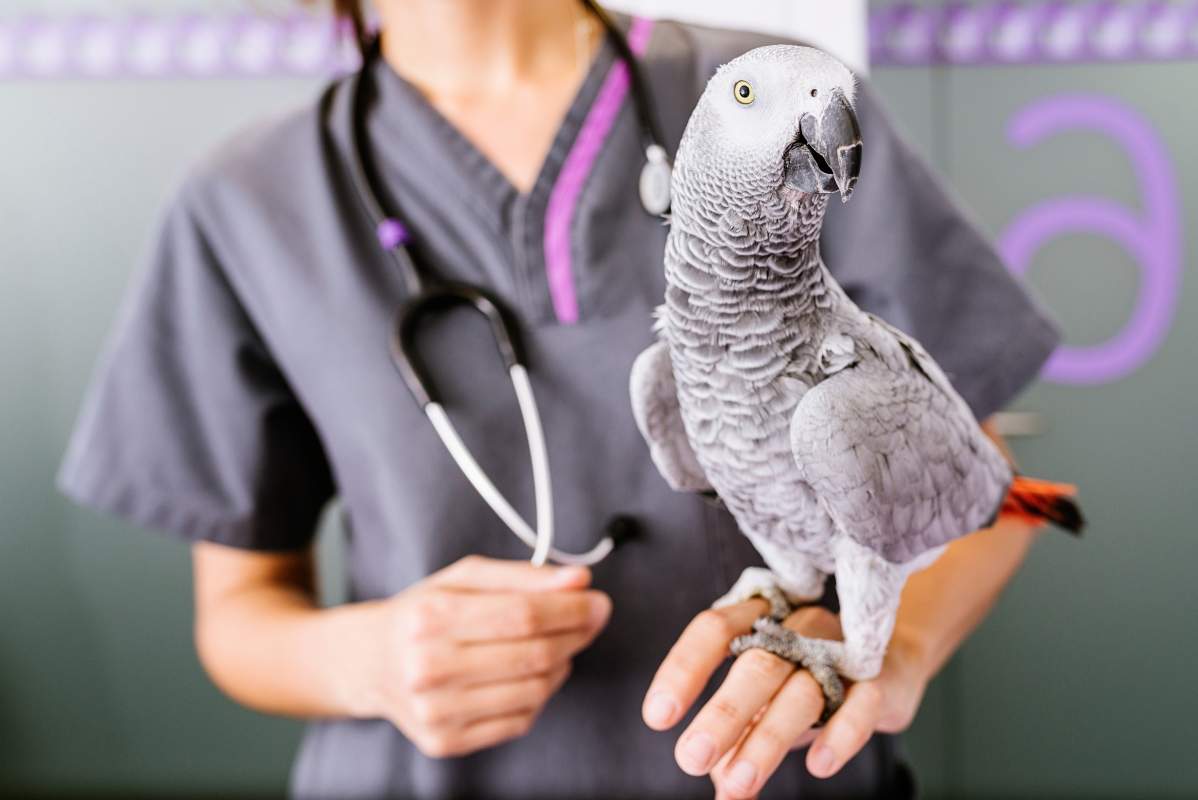
Injectable medications, including insulin, require instruction and practice. The syringe type, measurement scale, injection site, and storage temperature all matter. Do not substitute a different syringe without confirming that the measurements match.
What should be done after a missed, vomited, or doubled dose?
Do not automatically repeat a dose if a pet spits out or vomits medication. Some of the medicine may already have been absorbed, and giving more can result in an overdose. The correct decision depends on the drug, the timing, and how much was lost.
If a dose is forgotten, check the written instructions first. Some medications can be given when remembered if the next dose is not near; others should be skipped. Do not give two doses together unless specifically directed.
If too much medicine was given, contact a veterinarian or animal poison control center promptly, even if the pet appears normal. Have the container available and provide the pet’s weight, the amount given, and the time of exposure. Do not induce vomiting or give another medication unless instructed by a veterinarian or poison control professional. ([fda.gov](https://www.fda.gov/animal-veterinary/animal-health-literacy/properly-store-medications-keep-your-pet-safe?utm_source=openai))
Which symptoms may indicate a medication problem?
Possible warning signs include repeated vomiting, severe diarrhea, unusual sleepiness, weakness, stumbling, tremors, trouble breathing, facial swelling, collapse, seizures, refusal to eat, or sudden changes in drinking or urination. Some medicines can affect the liver, kidneys, stomach, blood pressure, or blood sugar, so a pet’s normal behavior and bathroom habits are useful to monitor.
A mild change may not always mean the medicine must be stopped, while a serious reaction may require urgent care. Follow the medication instructions for adverse effects and seek veterinary guidance promptly rather than guessing. Long-term medicines may require rechecks or blood tests because a pet’s dose and safety needs can change over time. ([fda.gov](https://www.fda.gov/animal-veterinary/animal-health-literacy/medications-your-pet-questions-your-vet?utm_source=openai))
Why should human medication and leftover pet medication be avoided?
Human pain relievers should not be used as substitutes for veterinary medication. Ibuprofen, naproxen, aspirin, and acetaminophen can cause serious harm in pets, and acetaminophen is especially dangerous for cats. A medicine that is safe for one species, one size of animal, or one medical condition may be unsafe for another. ([fda.gov](https://www.fda.gov/animal-veterinary/safety-health/frequently-asked-questions-about-animal-drugs?utm_source=openai))
Do not share a prescription between pets, even if their symptoms look similar. Do not restart leftover antibiotics, pain medicine, steroids, or other prescriptions without current instructions. The original dose may no longer be appropriate, and the underlying problem may be different.
How should medications be stored in a busy household?
Keep medications in their original, labeled containers and store each pet’s medicine separately from human medicines. A high counter is not always secure; dogs may reach it, cats may climb to it, and another pet may knock a container onto the floor. Flavored chewable medications can be especially tempting to animals.
During warm summers, freezing winter conditions, or periods when medication is transported between home and another location, follow the label’s temperature and light requirements. Some products need refrigeration, while others can be damaged by heat or freezing.
Dispose of expired or unwanted medication through an appropriate take-back option when available. Needles and syringes should go into a suitable sharps container rather than loose household trash. If a pet gets into any medication, treat it as a potential poisoning and seek guidance immediately. ([fda.gov](https://www.fda.gov/animal-veterinary/animal-health-literacy/properly-store-medications-keep-your-pet-safe?utm_source=openai))
A written dosing chart, phone reminder, and quick checkmark after every dose can prevent duplicate administration. In homes with several caregivers, recording the time and initials of the person who gave the medicine is a simple way to keep the routine accurate.